

Repair or Replace Your Wig? A Practical Checklist
A wig does not need replacing just because it no longer looks freshly styled. Equally, repeated attempts to rescue a badly worn piece can become frustrating. Separate cleaning, styling and structural problems before deciding.
Identify the main issue
Is the problem a dull finish, tangled ends, a loose attachment or damaged lace? Residue may improve with appropriate cleaning, while a tear or substantial shedding needs a different assessment. Take clear photographs and note what changed. Avoid performing several treatments at once: it becomes harder to tell what helped or caused further damage.
Ask what a repair can realistically achieve
A specialist may be able to assess lace repairs, adjustment or adding hair, depending on the piece. Ask what is included, whether the result will be visible and how the remaining hair condition affects the outcome. A repaired base cannot automatically reverse damage throughout the lengths.
Compare usefulness, not just the bill
Think about how often you expect to wear the piece, whether it still fits comfortably and whether the proposed work addresses your actual concern. Sometimes a professional trim produces a useful shorter style. Sometimes replacement is more sensible. Neither choice has a universal deadline, and no article can promise a fixed lifespan for every human hair wig.
Options to explore
These are product examples to compare alongside the guidance, not a requirement to buy another piece.
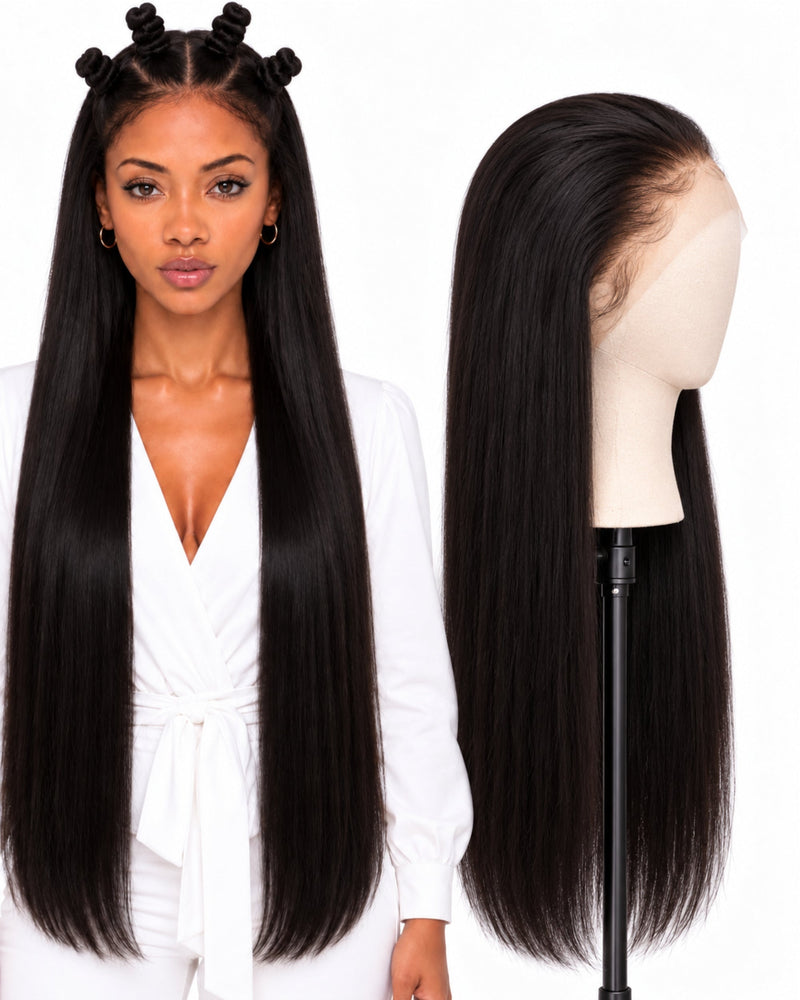
90 cm natural brown straight full lace human hair wig
Check the selected option, photographs and current product details.

10 cm black straight lace front human hair wig
Check the selected option, photographs and current product details.
Read next: How to Build a Simple Wig Care Routine.
For guidance about a specific piece, contact Mrs. R Sypriano before making permanent alterations.